Case Study
Agritech & Agribusiness Centre of Excellence
The challenge: closing the skills gap in Madagascar
Madagascar faces significant barriers to developing its workforce. Its young population is growing steadily, yet lacks the practical, job-ready skills it needs, particularly in agriculture.
- An informal economy: “more than 97% of jobs in Madagascar are informal”, underscoring the urgent need for formal skills development and business creation.
- An agricultural disconnect: agricultural education too often fails to connect with the realities of the labour market, leaving graduates without employment or an entrepreneurial pathway.
- A youth employment crisis: with 40% of the population under the age of 15, roughly 300,000 young people enter the labour market each year without access to formal agricultural training.
Strategic direction: a government partnership
MORIM's approach favours genuine collaboration with Madagascar's Ministry of Technical and Vocational Training (METFP), rather than imposing external solutions, ensuring that interventions are locally adapted and sustainable.
A financial-model innovation
Given families' limited purchasing power, the centre avoids the traditional dependence on tuition fees. Income is generated through the production and sale of high-value agricultural products, commercial services (equipment hire, soil analysis, consultancy), the incubation of agripreneurs in exchange for equity, and supplementary tuition fees that keep the programme accessible.
The solution: a public-private partnership model
Pillar 1: a genuine public-private partnership
Integration into the national strategy through direct collaboration with government, ensuring that the centre supports the objectives of formalisation and job creation.
Pillar 2: the “Learn by Producing” model
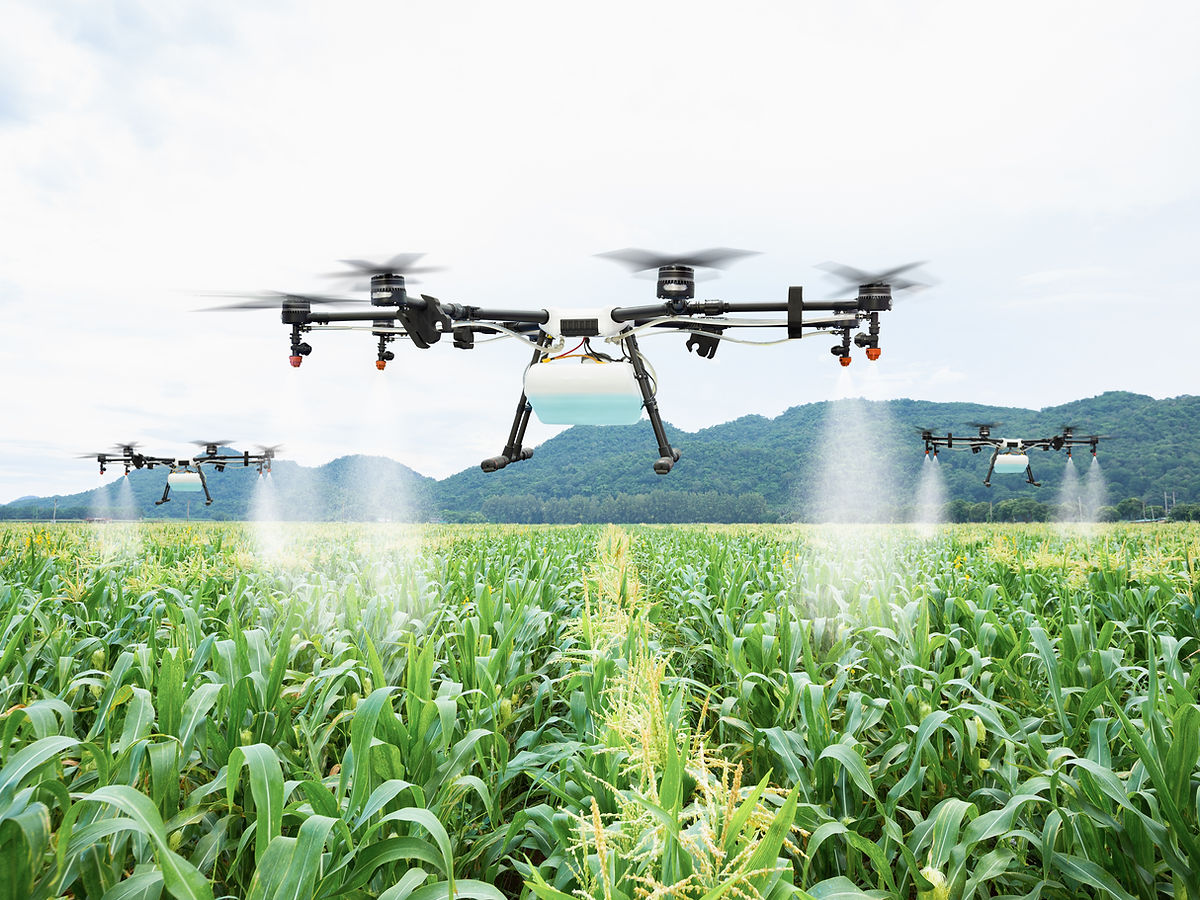
Students generate real income while developing their skills. The curriculum covers agritech and smart farming, agribusiness and agricultural entrepreneurship, food processing and agro-industry, agricultural equipment maintenance, sustainable natural-resource management, and agricultural trade, logistics and export. Training is 75% practical, complemented by business management, entrepreneurship and English.
Pillar 3: the agripreneurs' incubator
The centre nurtures graduate-led businesses by connecting entrepreneurs to training, financial institutions and established players in the sector.
Strategic impact
The model achieves financial self-sufficiency through in-house production, commercial services and partnerships, reducing reliance on public subsidies while remaining replicable across African regions. The approach is aligned with Madagascar's National Strategy for Agricultural and Rural Training (SNFAR).
Talent Transformation
Building sustainable agricultural skills ecosystems
MORIM designs self-sustaining, competency-based training models aligned with national economic priorities.
Discover Talent Transformation