MORIM Insight
What is education really for?
By Affi Agbodo
Ask any parent, teacher or policymaker: what is education for? The answers vary, but one idea keeps resurfacing beneath the surface — education exists to get a good diploma, to get a good job, to get a good income. It is a perfectly rational view. It is also, on closer inspection, a terribly narrow one.
In many education systems, school has gradually shifted from a project of human formation to a mechanism of economic sorting: ranking pupils, selecting the best profiles, allocating scarce places in valued tracks. School increasingly asks not 'what can you contribute to the world?' but 'where do you rank against everyone else?'
This shift carries a cost. It produces students who look brilliant on paper but are ill-prepared to exercise independent judgement, take on responsibility, or act with integrity in the face of the real world's ambiguity. It also produces a deep sense of failure among those the sorting has left behind — even when their actual potential has little to do with their school ranking.
MORIM stands for a different conception of education: one that shapes character as much as competence, that develops the capacity to choose and to stand behind that choice, and that measures its success not only in diplomas awarded, but in responsibility exercised in the world after school.
This does not mean abandoning academic rigour — quite the opposite. It means pairing it with a pedagogy that deliberately places the learner in front of real situations, dilemmas and concrete responsibilities, rather than reducing them to a number in a ranking.
Restoring this ambition is not a philosophical luxury. It is a practical necessity: African societies need citizens capable of acting, not just candidates capable of passing an exam.
Related articles

The university without a mission: why so many private institutions fail to produce useful graduates
Across Africa, the boom in private universities masks a crisis of relevance. When institutions prioritise enrolment over outcomes, they risk becoming diploma factories rather than engines of economic development.

The unclaimed legacy: when corporate expertise retires without a successor
How corporate expertise fades away without proper knowledge transfer, and the role of pedagogy in turning professional experience into a legacy that can be passed on.

The great mismatch: why Africa's brightest minds are studying for an economy that doesn't exist
More than a third of Africa's top students in the UK study business — yet often struggle to apply what they have learned once they return home.
MORIM Insight
Ready to discuss this with our team?
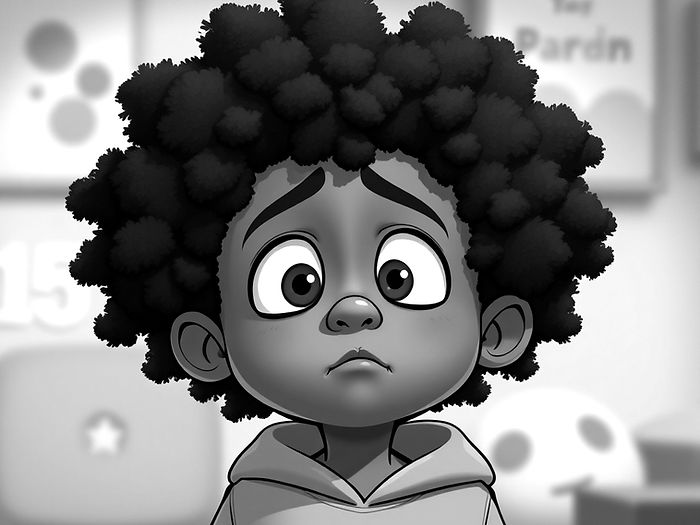
A questioning of education's fundamental purpose: has it become, above all, a form of ‘economic sorting' rather than a way of shaping responsibility and improving the world?
Contact Us